Mr Alessandro Paluzzi, Consultant Neurosurgeon

Mr Alessandro Paluzzi
Consultant Neurosurgeon
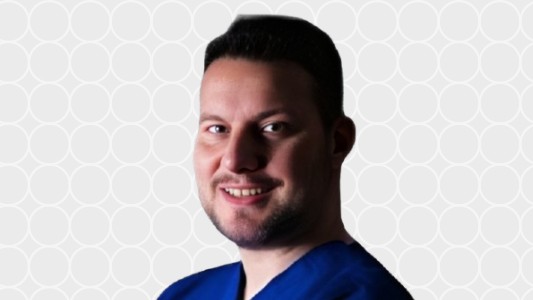
Mr Paluzzi is a Consultant Neurosurgeon


Areas of expertise
- Brain tumours
- Facial pain
- Hydrocephalus
- Pituitary tumour
- Trigeminal neuralgia

Make an appointment
Address
-
The Harborne Hospital, part of HCA Healthcare UK
Mindelsohn Way, Birmingham, B15 2TQ


University Hospital Birmingham NHS Foundation Trust
Trust HQ, Po Box 9551, Queen Elizabeth Medical Centre, Birmingham, West Midlands, B15 2TH
About Mr Alessandro Paluzzi
Mr Alessandro Paluzzi offers Consultant neurosurgical expertise for the whole spectrum of general neurosurgical problems. He specialises in endoscopic and minimally invasive neurosurgery, pituitary surgery, neuro-oncology, trigeminal neuralgia, neurovascular and skull base surgery. After basic surgical training in the West Midlands, Mr Paluzzi obtained a Master of Science degree in Surgical Technology at Imperial College London with Prof. Sir Ara Darzi.
He then underwent specialist neurosurgical training in Newcastle upon Tyne and subsequently undertook an advanced two-year fellowship in neurovascular and skull base surgery at the University of Pittsburgh Medical Center, US. Here he learned endoscopic and minimally invasive techniques for the surgical treatment of pituitary and brain tumours.
As one of the UK’s leading experts in endoscopic and minimally invasive neurosurgery, Mr Paluzzi has been an invited speaker at national and international conferences and is a reviewer for the British Journal of Neurosurgery and Clinical Anatomy. He has published extensively in neurosurgical peer-reviewed journals.
Areas of expertise
- Acoustic Neuromas
- Brain aneurysms
- Brain tumours
- Chordomas, meningiomas, and other skull base lesions
- Clinical outcomes in acoustic neuroma surgery, pituitary and skull base surgery
- CSF leaks and complex revision surgery
- Educational leadership in skull base techniques
- Endoscopic and minimally invasive skull base surgery
- Facial pain
- Hemifacial spasm
- Hydrocephalus
- Meningiomas
- Neuroplasticity and cognitive performance
- Pituitary adenomas
- Pituitary tumour
- Surgical approaches to the orbit and craniofacial interface
- Traumatic brain injury/concussion
- Trigeminal neuralgia and other causes of facial pain
Professional memberships


Articles by Mr Alessandro Paluzzi

Conservatively managed non-functioning pituitary macroadenomas - cohort study from the UK Non-functioning Pituitary Adenoma Consortium

British Skull Base Society Consensus on Vestibular Schwannoma Surveillance
CSF rhinorrhoea after endonasal intervention to the skull base (CRANIAL): A multicentre prospective observational study
Endonasal skull base repair with a vascularised pedicled temporo parietal myo fascial flap
The ‘muscle wonton’ repair – A case series of internal carotid artery injuries at a single Centre during its 10-year experience in endoscopic transsphenoidal pituitary surgery
Chordomas and chondrosarcomas of the skull base: treatment and outcome analysis in a consecutive case series of 24 patients
“Round-the-Clock” Surgical Access to the Orbit
Classification of Sphenoid Sinus Pneumatization: Relevance for Endoscopic Skull Base Surgery
Intraoperative Computed Tomography Guidance to Confirm Decompression Following Endoscopic Endonasal Approach for Cervicomedullary Compression
Endoscopic endonasal surgery for giant pituitary adenomas: Advantages and limitations


