Prof. Andrea Bille, Consultant Thoracic Surgeon
Prof. Andrea Bille
Consultant Thoracic Surgeon
Prof. Andrea Bille MD PhD FRCS
Consultant Thoracic Surgeon
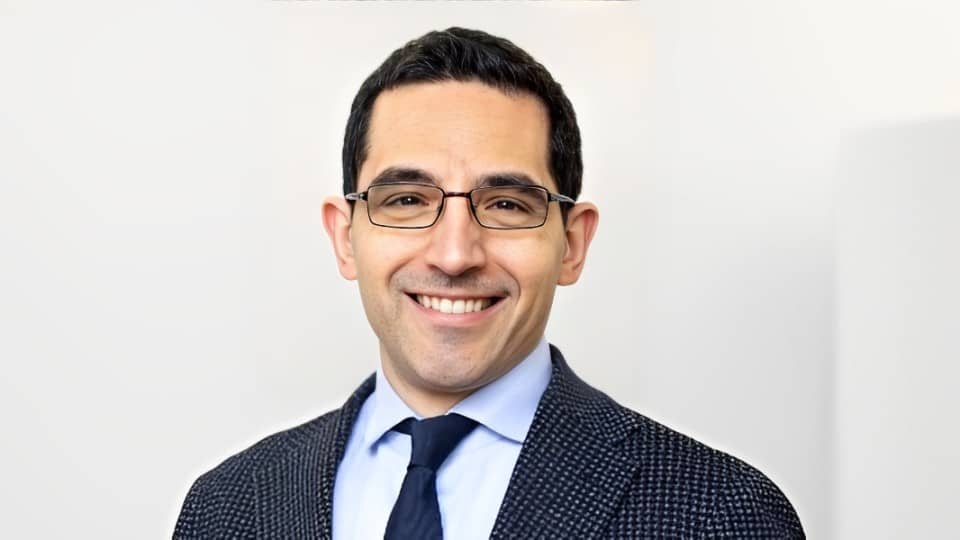
Prof. Bille is a recommended Consultant Thoracic Surgeon


Areas of expertise
- Lung cancer
- Congenital diaphragmatic hernia
- Empyema
- Mediastinal tumors
- Mesothelioma

Recommendations for Prof. Bille
These recommendations are for information purposes only. Doctors providing recommendations do so in good faith and are not responsible for clinical outcomes.


Recommended by:


byDr Sandip Banerjee, Respiratory and Sleep Disorders Consultant
❝Recommended consultant Cardiothoracic surgeon. He is an excellent Surgeon and is able to organise investigations and surgery promptly. He is easily accessible to patients and responds promptly to queries.❞
byDr Sandip Banerjee, Respiratory and Sleep Disorders Consultant
❝Recommended consultant Cardiothoracic surgeon. He is an excellent Surgeon and is able to organise investigations and surgery promptly. He is easily accessible to patients and responds promptly to queries.❞
Make an appointment
Address
-
London Bridge Hospital
27 Tooley Street, London, SE1 2PR


-
The Lister Hospital
Chelsea Bridge Road, London, SW1W 8RH
About Prof. Andrea Bille
GMC number: 7025125
Year qualified: 2005
Place of primary qualification: Universita degli Studi di Torino
Prof. Andrea Bille is a Consultant Thoracic Surgeon at Guy’s and St Thomas’ NHS Foundation Trust and an Honorary Senior Clinical Lecturer at Kings College University, London. He specialises in the treatment of thoracic conditions and performs surgeries for a range of conditions including pneumothorax, pectus deformity, infection of the pleura/empyema, rib fractures, pleural effusion, lung cancer, thymoma, mesothelioma, and masses/lesions in the mediastinum.
Prof. Bille qualified in 2005 from the University of Turin and trained in Cardiothoracic Surgery in Italy and at Guy’s Hospital, London. He undertook a clinical fellowship at Guy’s Hospital focusing on mesothelioma surgery and minimally invasive thoracic surgery for lung cancer and benign conditions. In 2013, he was appointed as a consultant at the National Institute of Cancer in Milan, focusing on the surgical treatment of lung cancer, thoracic sarcoma, and mediastinal tumours requiring extensive resection and complex reconstruction.
In 2014/15, Prof. Bille undertook a clinical fellowship at Memorial Sloan Kettering Cancer Centre in the US, where he trained in thoracoscopy and robotic surgery for thoracic malignancies. He completed his PhD in 2015, focusing on the surgical treatment of mesothelioma. Prof. Bille has published extensively and presented at conferences worldwide. He is the Associate Editor of the thoracic section of the Tumori Journal and the Journal of Thoracic Disease.
Prof. Bille is involved in several research projects on lung cancer, thymoma, and mesothelioma, analysing the role of surgery and new multimodality approaches. He is a member of the thymoma and mesothelioma international staging committee and chairs the mesothelioma database of the European Society of Thoracic Surgeons (ESTS). He has developed an interest in robotic surgery for diaphragmatic diseases, including diaphragmatic elevation paralysis and diaphragmatic endometriosis.
Your Top Hyperhidrosis Questions Answered by Thoracic Surgeon Prof. Andrea Bille:
• What is hyperhidrosis, and how does it differ from normal sweating?
Hyperhidrosis is excessive sweating that occurs in specific areas like the hands, feet, underarms, or face, often without heat or physical activity. Unlike normal sweating, it happens even when the body doesn’t need to cool down and can interfere with daily life.
• What are the most common areas of the body affected by hyperhidrosis?
The most common areas of the body are hands, feet, underarms, or face.
• Is it usually caused by genetics, medical conditions, or lifestyle factors?
Primary hyperhidrosis: The exact cause is unknown, but it's believed to involve overactive sweat glands due to a problem with the nervous system. It often runs in families.
Secondary hyperhidrosis: Caused by an underlying condition such as:
Thyroid problems
Diabetes
Infections
Menopause
Certain medications
A stressful lifestyle may contribute to make symptoms worse
• What are the most effective treatments available today for hyperhidrosis?
Hyperhidrosis can be effectively treated with options like prescription-strength antiperspirants, Botox injections to block sweat signals, oral medications that reduce overall sweating, iontophoresis using mild electrical currents, microwave therapy to destroy sweat glands, and, in severe cases or when little response to other treatment, surgical procedures such as endoscopic thoracic sympathectomy.
• Are there any cutting-edge or newer treatments you’re particularly excited about?
Cutting-edge treatments for hyperhidrosis include the newly approved topical Sofpironium bromide (Sofdra), the quick in-clinic Brella thermolysis patch, and emerging therapies like anticholinergic gels, microneedle radiofrequency, and targeted oral drugs, offering less invasive, longer-lasting, and more personalised relief than traditional options.
• What surgical options exist, and when are they appropriate?
Endoscopic Thoracic Sympathectomy (ETS) is a surgical option for severe hand or face sweating that involves cutting nerves to stop sweating, and when performed with robotic surgery, it offers greater precision, smaller incisions, and faster recovery compared to traditional methods. Surgery is generally reserved for severe cases when other treatments don’t work or aren’t tolerated, due to possible complications and side effects.
• How successful are treatments generally, and what should patients realistically expect?
Medical treatments for hyperhidrosis, like prescription antiperspirants, Botox, and oral medications, are effective for many patients, often reducing sweating by 50–80%, but they may require ongoing use and can have side effects. Surgical treatments like Endoscopic Thoracic Sympathectomy (ETS) tend to offer more permanent relief, with success rates around 90%, but carry risks such as compensatory sweating and are usually reserved for severe cases. Patients should realistically expect improvement rather than a complete cure and discuss the benefits and risks of each option with their doctor.
Areas of expertise
- Bronchoscopy
- Congenital diaphragmatic hernia
- Empyema
- Infection of the pleura / empyema
- Lobectomy
- Lung cancer
- Lung transplant
- Lung volume reduction surgery
- Mass/lesion in the mediastinum
- Mediastinal tumors
- Mesothelioma
- Pectus deformity
- Pleural effusion
- Pneumothorax
- Rib fractures
- Rib injury
- Rib pain
- Rib surgery
- Robotic surgery
- Segmentectomy
- Slipped rib syndrome
- Thoracic (lung) surgery
- Thoracic endometriosis
- Thoracoscopy or VATS
- Thymoma
- Tracheobronchial cancer
Professional memberships



Articles by Prof. Andrea Bille

Well-differentiated thyroid carcinoma presenting with sternal invasion: Complex resection and reconstruction in the COVID-19 era
COVID-19: chest drains with air leak – the silent ‘super spreader’?
Elective lung cancer surgery in the COVID-19 era: how do we do it?
Endotracheal resection of a mucous retention cyst
Other specialists recommended by Prof. Bille

Dr Maher Hadaki, Consultant Oncologist
❝Dr Hadaki is a highly qualified oncologist, with special interest in thoracic oncology. He is a great colleague, team worker. He is passionate about his job and interested in new treatments to improve life expectancy of his patients. He is a great colleague with experience in treating locally advanced disease. He is very helpful in managing complex thoracic oncology patients.I would definitely recommend him.❞



