Mr Charles Evans, Consultant Colorectal and General Surgeon
Mr Charles Evans
Consultant Colorectal and General Surgeon
 Instant booking
Mr Charles Evans MBBS BSc FRCS MD
Consultant Colorectal and General Surgeon
Mr Charles Evans
Consultant Colorectal and General Surgeon MBBS BSc FRCS MD
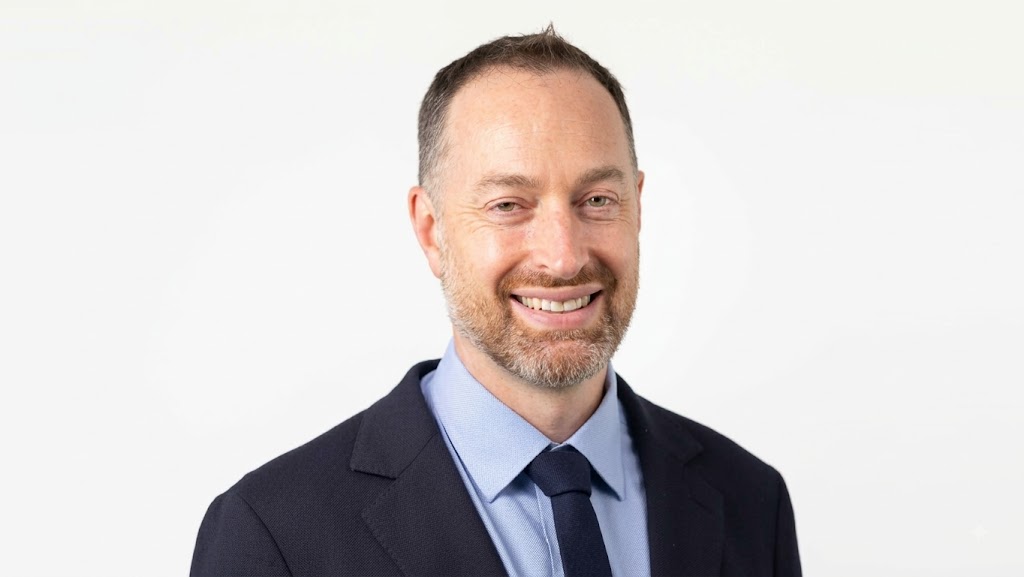
Mr Evans is a Consultant Colorectal and General Surgeon


Areas of expertise
- Colorectal cancer
- Inflammatory bowel disease
- Rectal prolapse
- Haemorrhoids
- Anal fistula


Make an appointment
Address
-
Colorectal and Robotic Surgery Centre
Wellington Place, St John's Wood, London, NW8 9LE


-
HCA Healthcare UK - The Wellington Hospital Outpatients
15-17 Lodge Road, London, NW8 7JA
-
The Harborne Hospital, part of HCA Healthcare UK (Tuesdays, 9:00am–11:30am)
Mindelsohn Way, Birmingham, B15 2TQ
-
The Wellington Hospital
8A Wellington Place, London, NW8 9LE
-
London Digestive Centre
41 Welbeck Street, London, W1G 8DU
About Mr Charles Evans
GMC number: 4715818
Year qualified: 2000
Place of primary qualification: University of London
Initial consultation fee: £300
Follow up consultation fee: £150
Following studies into colorectal cancer and minimally invasive surgery, Mr Evans finished his basic surgical training in London and received his MD from the University of London.
The National Ethicon Fellowship in Advanced Colorectal Surgery was awarded to him after he completed additional surgical training in the Oxford Deanery. He also finished a fellowship in advanced colorectal surgery. Charles currently serves as the University Hospitals of Coventry and Warwickshire NHS Trust's Head of Gastrointestinal Surgery. He is a general and colorectal surgeon consultant. He performs robotic and laparoscopic surgery with a strong interest in minimally invasive surgery. He instructs surgeons in robotic surgery around Europe and the UK.
Areas of expertise
- Abdominal (ventral) hernia
- Abdominal wall defects
- Abdominal wall reconstruction
- Abdominoperineal resection
- Adhesiolysis
- Adhesions
- Anal fissure
- Anal fistula
- Anal prolapse
- Appendicectomy
- Appendicitis
- Bowel cancer
- Bowel diversion surgery
- Bowel obstruction
- Bowel resection
- Bowel surgery (colectomy)
- Colitis (ulcerative colitis)
- Colon cancer
- Colonoscopy
- Colorectal surgery
- Crohn's disease
- Diverticulitis
- Endoscopy (OGD)
- Faecal incontinence
- Femoral hernia
- General surgery
- Haemorrhoids
- Hernia
- Hernia repair (keyhole)
- Ileostomy surgery
- Incisional hernia repair
- Inflammatory bowel disease (IBD)
- Inguinal hernia
- Inguinal hernia repair
- Laparoscopic bilateral hernia surgery
- Laparoscopy
- Lipoma removal
- Malignant bowel obstruction
- Open hernia repair
- Perianal disease
- Pilonidal sinus disorders
- Rectal bleeding
- Rectal cancer
- Removal of rectum and colon (proctocolectomy)
- Robotic surgery
- Sigmoidoscopy
- Skin lesion removal (warts, moles and skin tags)
Frequently asked questions
Why did you decide to become a Consultant Colorectal and General Surgeon ?
I chose colorectal surgery because I really like the combination of dealing with patients of all ages, from adolescence through to old age, of all both genders. It crosses the spectrum of the whole community. I like the fact that it is a mixture of both technical skills in terms of needing to operate, with the technical challenges of performing complex robotic surgery, but also there are diagnostic challenges in understanding who you are going to treat and how you are going to treat them.
It is not all about just the surgery. It is also about having a personal relationship with the patient, so you can get a treatment option that is tailored specifically for them. One size does not necessarily fit all. There are lots of various different options depending on the fitness of the patient, their own expectations of what they want, and how we can best treat them.
It has also been a really exciting, evolving field. In the time I have been a colorectal surgeon, it has really transformed how we operate. We now do the majority of our procedures minimally invasively and robotically, whereas when I started there were big open operations and patients were spending weeks and weeks in hospital. Now we are getting them home within days. It is an exciting field that is changing, and you get lots of variety. I enjoy meeting all different types of patients.
In private practice, our clinic appointments are half an hour long. You have that time. There are less time pressures, the clinics are less pressured, and there is that additional opportunity to really work with your patients to give them the best treatment.
What are the common symptoms that your patients tend to present with?
Primarily, we see patients who have issues with their bowels. They might have a change in their bowel habit, troubles with diarrhoea or constipation. They often have issues with bleeding from the bottom end, which could be bright red blood or blood mixed in with the stools. They can also have troubles with tummy pains and discomfort from various different types of pathologies.
For more general surgical issues, patients might present with a lump, particularly a lump in the groin such as a hernia, an abdominal wall lump, or they may have already had some sort of treatment with a specialist and have a stoma or troubles related to previous operations.
What are the treatments that you're able to offer your patients?
One of the things I enjoy about my private practice is that it is an opportunity to work with the best in the field. I work with my colleague Danilo Miskovic, who is a real expert in colorectal surgery and specifically robotics, so there are two of us working together as part of the team. We are also working with experts in oncology, inflammatory bowel disease, and diagnostics.
I work with expert oncologists who really know all the intricacies of complex management of patients with bowel cancer. I work with gastroenterologists who have expertise in endoscopy, being able to take out really complex polyps so patients can avoid surgery, and those who have expertise in managing inflammatory bowel disease, so we are working out the best treatment options, again tailored specifically for those patients.
For patients with slightly more complex issues, we have amazing facilities with HCA. The HCA hospital I work in specifically has an amazing intensive care unit for all complex patients, and we have access to radiologists who deal with interventional radiology as well as standard diagnostics. You feel like you are working with the very best.
In private practice, because clinic appointments are half an hour long, there is that additional opportunity to really work with your patients to give them the best treatment.
What are your areas of sub-specialist interest?
My particular area of interest is in bowel cancer surgery, with a specialist niche in rectal cancer surgery, but also all kinds of colorectal bowel cancer surgery. This stems from my initial research and then my training.
I am also an expert in robotic surgery and have been performing robotic surgery for over 10 years. I am one of the UK's national trainers in robotics, and I am Chair of the Robotics Committee for the Association of Coloproctology of Great Britain and Ireland, where I am involved in training and education in robotics. I can deal with complex robotic cases that would often otherwise have to be performed as an open procedure. We can do these keyhole, and often we can perform operations where in the past a stoma might have been offered, and we may be able to do surgery without the need for one.
I also have a specialist interest in anal fistula surgery and pilonidal sinus surgery, and we now offer minimally invasive approaches for both, specifically video assisted anal fistula treatment, and endoscopic pilonidal sinus surgery procedures.
I also treat patients with inflammatory bowel disease and patients with complex diverticular disease who potentially might need surgery and have not managed on conservative measures.
Professional memberships

Articles by Mr Charles Evans
_1665049587003.png)
The robotic learning curve for a newly appointed colorectal surgeon
_1665049648053.png)
Faecal immunohistochemical testing in the COVID-19 era: balancing risk and costs
_1665049711876.png)
Factors affecting colorectal polyp and cancer detection rates in patients referred urgently for suspected bowel cancer
_1665049766837.png)
Should GPs refer directly for colonoscopy for suspected colorectal cancer rather than to urgent outpatient clinic?
_1665049831755.png)
Faecal immunochemical testing (FIT) in symptomatic patients
_1665049880352.png)
Does hyoscine improve polyp detection rate during colonoscopy?systematic review & meta-analysis of randomized clinical trials
_1665049945609.png)
Risk stratification of symptomatic patients suspected of colorectal cancer using faecal and urinary markers
_1665050002267.png)
Time to rethink surgeon-specific outcome data for colorectal surgeons in England
_1665050064209.png)
PTU-059 Novel urinary and blood peptide markers for detection of colorectal cancer – early results
_1665050116329.png)
Mini laparotomy for sigmoid volvulus



