Ms Hayley Paul, Nutritionist - Women's Health Specialist
Ms Hayley Paul
Nutritionist - Women's Health Specialist
Ms Hayley Paul AFMCP RNT
Nutritionist - Women's Health Specialist
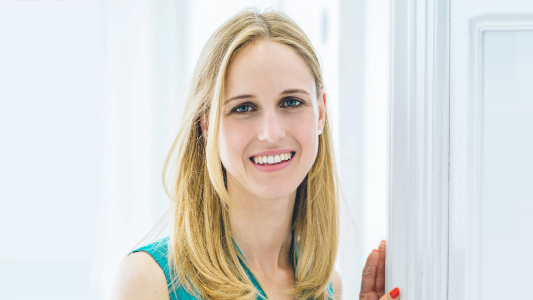
Ms Paul is a Nutritionist - Women's Health Specialist


Areas of expertise
- Digestive health
- Polycystic ovarian syndrome
- Fertility
- Pregnancy
- Menopause

About Ms Hayley Paul
GCRN number: CNHC0310
Year qualified: 2009
Place of primary qualification: College of Naturopathic Medicine
Initial consultation fee: £325
Follow up consultation fee: £225
Ms Hayley Paul (Pedrick) is a highly experienced Nutritional Therapist with over 15 years of clinical practice. Trained in Functional Medicine, she leads a dedicated team of Registered Dietitians and Nutritional Therapists and holds practising privileges at The Portland Hospital. Hayley uses DNA and precision health testing to uncover the root causes of chronic health concerns, enabling her to develop tailored nutrition, supplementation, and lifestyle plans that optimise overall well-being. Her special interests include digestive health, where she supports individuals with IBS, SIBO, Ulcerative Colitis, and Crohn’s disease, as well as women’s health, addressing conditions such as PCOS, endometriosis, fertility challenges, pregnancy, postnatal health, and menopause.
Beyond her clinical work, Hayley is a leadership trainer and executive coach who supports high-performing individuals and teams globally. She integrates neuroscience-based coaching with sleep science, biofeedback, and nutritional strategies to enhance both cognitive and physical performance, helping clients build resilience and manage stress effectively.
As the Director and Head Clinician of Habitude, she also consults for The Portland Hospital and London Sleep Centre, staying at the forefront of clinical care and performance science. Hayley’s mission is to empower individuals to lead with clarity, live with vitality, and achieve optimal performance in every aspect of their lives.
Areas of expertise
- Allergies
- Coeliac disease
- Diet advice
- Fertility
- Food allergies
- Food intolerance
- Food provocation (challenge) test
- Functional Medicine
- Gluten intolerance
- Healthy living advice
- High cholesterol
- Hypermobility syndrome
- Inflammatory bowel disease (IBD)
- Irritable bowel syndrome (IBS)
- Ketogenic diet
- Lactose intolerance
- Longevity diet
- Low carbohydrate diet
- Menopause
- Men's health
- Nutrigenomics
- Nutrition & cancer
- Nutritional education
- Nutritional therapy
- Nutritionist
- Pregnancy
- Type 2 diabetes
Frequently asked questions
Why did you decide to become a Nutritionist - Women's Health Specialist ?
Like many of my colleagues in nutrition, I came into the profession trying to solve a problem that could not be solved within the medical system. I developed severe adult acne that was treated for two years with various antibiotics and oral contraceptive pills, and that medication then led to the development of IBS.
I ended up quitting my job and travelling around the world. While I was travelling, I came across some natural health remedies. The first one cleared my acne in three weeks, after two years of antibiotics had failed. My IBS continued to get worse, until I went into a backpackers' health spa in Thailand where you do not eat for seven days. My IBS completely cleared up. I discovered it had been driven by food sensitivities, which had probably developed because I had leaky gut, and that had probably developed because I had been on antibiotics for so long. That, in a nutshell, is how I ended up in this profession.
I came back, retrained at the College of Naturopathic Medicine, and moved from a marketing and advertising career into nutrition. I rented a clinic on Harley Street within a gynaecological practice, and from there began supporting women going through fertility and pregnancy journeys. I have worked with that practice for well over a decade, which is how I ended up with practising privileges at The Portland Hospital. The business was later purchased by HCA, and they have retained me as their nutritionist in their clinic, although I remain an independent consultant.
I am passionate about supporting women with conditions that the medical system does not always manage as well as we would like, because they are often more of a diet and lifestyle problem than a medical one. Doctors are brilliant at the medical care, but they are not necessarily trained in nutrition. It is so much better when we work as an integrated team, doctors dealing with the medical side, and nutritional therapists dealing with the diet and lifestyle side, so the patient gets the best of both.
I have continued to train throughout my career in functional medicine, genetics and nutrigenomics, the interface of your DNA and how to get it to work more efficiently using nutrition and supplementation.
What are the common symptoms that your patients tend to present with?
Because I work in women's health, presentations are often hormonal or fertility based. Many of the women I see are struggling to get pregnant, sometimes because they have an underlying hormonal condition such as endometriosis or polycystic ovarian syndrome. Often it is stress related, and sometimes it is because they have so much going on across their body systems, with digestive issues and stress on top of hormonal issues.
All these systems are interlinked, so the impact lands on egg quality, ovulation, the lining of the uterus, and nutrient deficiencies. There is not necessarily a typical presentation, but the common threads are digestive issues such as IBS, gas or bloating; hormonal imbalances or trouble conceiving; and stress as the underlying mediator that prevents the body from self-resolving.
What are the treatments that you're able to offer your patients?
I use a lot of functional testing in my practice, with tests that are not readily available on the NHS and provide deeper insights, so we can come up with personalised, tailored solutions.
I frequently use comprehensive stool sample testing, which gives a 360 degree view of the gut. It looks at digestive enzymes, potential bacterial or fungal overgrowths, inflammatory markers, and intestinal permeability or leaky gut. This goes well beyond NHS testing, which tends to look only for pathogenic bacteria. The testing I use also looks at commensal balance, which is what you would expect to find in the gut and is often out of balance in people with digestive problems.
I also use the NutrEval test, which combines serum and organic acid (urine) testing to identify nutrient deficiencies. It looks deeply at antioxidants, vitamins, minerals, essential fatty acids and the elements needed to produce good health, whether that is healthy mitochondria for energy and longevity, the nutrients needed to calm inflammation, or what is needed to optimise ovarian and uterine function.
The DUTCH test is a urine test that looks at hormonal metabolites such as oestrogen, testosterone and progesterone, alongside cortisol and key organic acid markers. It is excellent for helping women optimise hormonal health and balance. I use it a lot for female insomniacs going through menopause, and it works well alongside standard blood testing where I am integrating with a GP using HRT, helping the patient to utilise the medication optimally and supporting healthy detoxification pathways.
I also use continuous glucose monitoring alongside fasting glucose and HbA1c, particularly for clients with identified glucose issues, and for women with gestational diabetes where I work with them through diet and monitoring to keep glucose levels in optimum ranges to support a healthy pregnancy.
Nutrigenomics is another area I use a lot. This uses DNA profiling to understand a person's genetic need for certain nutrients, which is then used to optimise health and well-being. I particularly use this kind of testing to support women through pregnancy, tailoring nutrition to enhance their health and the baby's growth and development, including brain health, throughout the pregnancy.
What are your areas of sub-specialist interest?
A large part of my work is fertility, and I particularly enjoy unexplained infertility cases and supporting women going through IVF. I have a real passion for supporting the LGBTQ+ community through that journey. I have worked with surrogates and same sex couples using donor sperm. These communities have fewer options available to them than heterosexual couples, who often have the possibility of falling pregnant naturally alongside treatment, so it is important to get everything in the best possible place before they go in for treatments that are very expensive and emotionally significant.
Pregnancy is my main focus at The Portland Hospital. The health of the next generation is built from conception through to age two, so the pregnancy journey is a really important window for laying down a foundation of health. With a female baby, you are also supporting the next generation, because women carry all of the eggs they will ever have while they are still in utero. That makes pregnancy nutrition transgenerational, and I see it as one of the greatest gifts a mother can give to her children and grandchildren.
Professional memberships