Dr Jennifer Lenhart, Associate specialist in Homeopathy and Integrated Medicine
Dr Jennifer Lenhart
Associate specialist in Homeopathy and Integrated Medicine
Dr Jennifer Lenhart BSc MBChB MA
Associate specialist in Homeopathy and Integrated Medicine
Dr Jennifer Lenhart
Associate specialist in Homeopathy and Integrated Medicine BSc MBChB MA
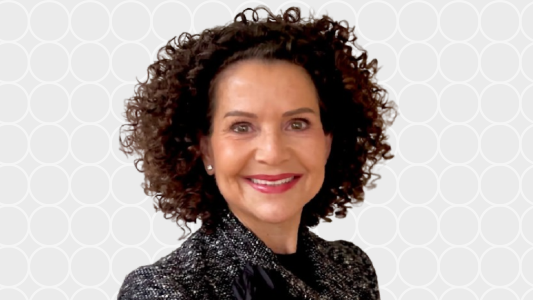
Dr Lenhart is a Associate specialist in Homeopathy and Integrated Medicine

Areas of expertise
- Integrated cancer care
- Women's health
- Integrated medicine
- Homoeopathy
- Whole person medicine

About Dr Jennifer Lenhart
GMC number: 4295039
Year qualified: 2003
Dr Jennifer Lenhart is an Associate Specialist in Integrated Medicine at the Royal London Hospital for Integrated Medicine (RLHIM), part of UCLH NHS Trust. She trained at St Andrews University and the University of Manchester, where she earned her MBChB, and qualified in homoeopathy through the Faculty of Homeopathy. She also sits on the MHRA advisory board for the regulation of homoeopathic and herbal products.
Her private practice at LOC focuses on integrated cancer care for adults. She works with patients at all stages of their cancer journey, from new diagnosis through to managing the long-term effects of treatment. A large part of her work involves supporting women experiencing menopause after cancer treatment, particularly where HRT is contraindicated.
Consultations typically last an hour and cover lifestyle factors including diet, exercise, sleep and stress management, alongside safe integrated treatment options. She prescribes homoeopathy during and after cancer treatment, as it carries no drug interactions or side effects and can be used safely alongside chemotherapy and radiotherapy.
Dr Lenhart grew up in Germany, where integrated and natural approaches to healthcare are part of mainstream medicine, and this early exposure shaped her clinical philosophy. She is passionate about empowering patients to take an active role in their own health, especially when so much of cancer treatment is protocolled and out of the patient's control.
Areas of expertise
- Integrated cancer care
- Women's health
- Integrated medicine
- Homoeopathy
- Whole person medicine
Frequently asked questions
Why did you decide to become a Associate specialist in Homeopathy and Integrated Medicine ?
I think for most doctors who specialise in this field, because it's quite niche, it's because of a personal experience, and that was very much the case for me. I was working in paediatrics and hospital paediatrics. I have a diagnosis myself of psoriatic and rheumatoid arthritis, so I was on methotrexate and various other medications. I at the time wanted to have children, and had to stop all my medication. I went through IVF several times. When I stopped my medication, my autoimmune disease worsened quite considerably, and I couldn't take medication because I was trying to have children.
I also realised that working in NICU, I wasn't going to get pregnant working with premature babies, so I took six months off to try and focus on pregnancy and sorting my health out. One of my colleagues suggested I go and see a colleague of his at the Royal London Hospital for Integrated Medicine. He was a rheumatologist, and maybe I could try out what they do. I went to see him. With his approach, and with some homoeopathy, all my inflammation markers and everything stabilised. I got bored very quickly not working, and didn't get pregnant. So I did a course with the Faculty of Homoeopathy for doctors, and did that, and never went back to working in NICU. I've been working with the Royal London Hospital for Integrated Medicine ever since. So I fell into it by personal experience of how holistic medicine helped me.
I then specialised in integrated cancer care, again due to a very personal journey. I had a diagnosis and also within my family, and I became more and more aware of how patients want to have an integrated approach when they're having treatment for cancer. I became more and more motivated and interested in providing safe integrated options alongside conventional care. So it really is not alternative, it's complementary. It's integrated. In some ways, it ends up being a bit of a gatekeeper, because everybody has access to all this information on the internet now, and it's very difficult to discern what's right and wrong or what's safe and what isn't.
The service that we lead within the NHS is about trying to provide safe integrated options during a patient's cancer experience and treatment, and also to address side effects and support emotional health, and then to support patients post diagnosis and post treatment for the long term effects. For example, in the women's health service which I lead at the Royal London Hospital for Integrated Medicine, it's predominantly about menopause after cancer treatment, when HRT is contraindicated.
What are the common symptoms that your patients tend to present with?
Within the private sector, the predominant reasons for being involved is dealing with side effects of treatment, so a new diagnosis and a patient is motivated to want to do everything they can to improve treatment outcome, or they are really struggling with side effects of treatment, or it's post treatment. A lot of my women who come are menopausal post breast cancer treatment or post gynaecological cancer treatment and are contraindicated for HRT, or don't want HRT, and want to see if they can support their symptom burden holistically.
The vast majority of patients who come to me are recommended by oncologists, or they've voiced that they want to see what else they can do to support their health holistically. From a symptom burden perspective, it would be things like within treatment: nausea and vomiting, fatigue, mucositis, anything that's chemotherapy related, insomnia, whatever their symptom burden is. Post treatment, it's often the long term effects. For women, it's often menopausal symptoms or long term effects.
What are the treatments that you're able to offer your patients?
I'm not a diagnostic service at all. I want patients to be fully diagnosed and investigated by the time they refer to me. I'm an adjunct, so I'm not an investigator or diagnostic service. Nor is my NHS practice. We're purely a therapeutic service. I think it's really important to differentiate that.
The treatment options: I do spend an hour talking about lifestyle and that would incorporate diet and exercise and sleep and stress management. Any treatment options I advise would be whatever is available safely alongside their current regime. Predominantly, I would offer homoeopathy. I sit on the MHRA advisory board for the regulation of homoeopathic products and herbal products combined. I'm very cautious. I'm not trained herbally. Using herbal supplements in chemotherapy, there's a lot of crossover, and we need to be a bit careful. Whereas homoeopathy, I know, is completely safe and doesn't have side effects or drug interactions. I also prescribe mistletoe therapy orally.
What are your areas of sub-specialist interest?
Within my NHS practice, I'm an Associate Specialist in Integrative Medicine, and then I lead the Women's Service and the Integrated Cancer Care Service for teenagers and young adults. My sub-specialty would be integrated cancer care and women's health.
Professional memberships