Mr Andreas Papadopoulos, Consultant Gynaecologist

Mr Andreas Papadopoulos
Consultant Gynaecologist
 Instant booking
Mr Andreas Papadopoulos
Consultant Gynaecologist MB BS BSc MD FRCOG AFMCP
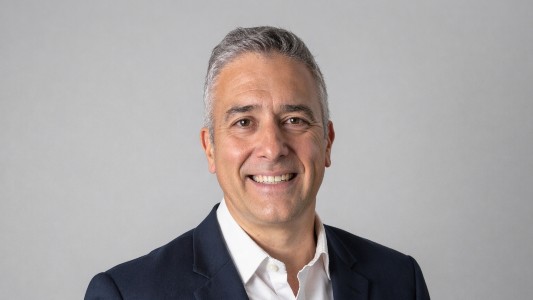
Mr Papadopoulos is a recommended Consultant Gynaecologist


Areas of expertise
- Abnormal bleeding (incl. heavy and painful periods)
- Abnormal smear and colposcopy
- Menopause and HRT
- Gynaecology
- Laparoscopic (key-hole) surgery


Recommendations for Mr Papadopoulos
These recommendations are for information purposes only. Doctors providing recommendations do so in good faith and are not responsible for clinical outcomes.


Recommended by:


byMiss Milica Perovic, Consultant Obstetrician and Gynaecologist
❝Mr Papadopoulos is excellent doctor who is professional, knowledgeable and genuinely care about patients. He is excellent college to work with and I would highly recommend him❞
byMiss Milica Perovic, Consultant Obstetrician and Gynaecologist
❝Mr Papadopoulos is excellent doctor who is professional, knowledgeable and genuinely care about patients. He is excellent college to work with and I would highly recommend him❞
Make an appointment
Address
-
HCA UK at The Shard
The Shard, 32 St Thomas Street, London, SE1 9BS


-
London Bridge Hospital
27 Tooley Street, London, SE1 2PR
About Mr Andreas Papadopoulos
GMC number: 3486399
Year qualified: 1990
Place of primary qualification: University of London
Initial consultation fee: £230
Follow up consultation fee: £180
Mr Andreas Papadopoulos is a highly esteemed Consultant Gynaecologist who has worked at Maidstone and Tunbridge Wells NHS Trust, Kent. He also served as a Consultant Gynaecological Oncology Surgeon for the Kent Oncology Centre. In addition to his NHS commitments, Mr Papadopoulos sees patients privately at the London Bridge Hospital and HCA UK at The Shard.
Mr Papadopoulos completed his medical training at the prestigious London Teaching Hospitals. He further honed his expertise through research and subspecialty training at St Thomas’ Hospital. His dedication to advancing his skills led him to earn an RCOG scholarship, allowing him to gain invaluable experience at MD Anderson Hospital in Houston, Texas, and the Tata Memorial Hospital in Mumbai, India.
Mr Papadopoulos has a broad range of interests within the field of gynaecology. His areas of expertise include general gynaecology, Well woman clinic, abnormal smears, abnormal bleeding (including heavy and painful periods), irregular bleeding, menopause, HRT and post menopausal bleeding, Vulval disorders, fibroids, ovarian cysts, pelvic pain, and the diagnosis and treatment of gynaecological cancers.
In his clinical practice, Mr Papadopoulos is proficient in a variety of procedures and treatments. These include colposcopy, vulvoscopy, hysteroscopy, polypectomy, Coil insertion and removal, hysterectomy, laparoscopic surgery, fibroid removal, and the management of ovarian cysts. Mr Papadopoulos has been serving the medical community with distinction since his appointment, bringing a wealth of knowledge and a compassionate approach to patient care. His commitment to excellence and his extensive training make him a trusted specialist in the field of gynaecology and gynaecological oncology.
Areas of expertise
- Abdominal hysterectomy
- Abnormal bleeding (incl heavy and painful periods)
- Abnormal periods
- Abnormal smear and colposcopy
- Adenomyosis
- Adhesions
- Amenorrhoea
- Benign cervical and vulva conditions
- Blood testing and results interpretation
- Cancer prevention
- Cancer screening, diagnosis and cancer surgery
- Cervical (cone) biopsy
- Cervical cancer
- Cervical polyps
- Chronic pelvic pain
- Coil insertion
- Colposcopy and abnormal smears
- Complex benign gynaecology
- Cystoscopy
- Cytoreductive surgery
- Dysmenorrhoea (period pain)
- Endometrial biopsy
- Endometrial cancer
- Endometriosis
- Fallopian tube cancer
- Fibroids
- Fibroids and endometriosis
- Gynaecological oncology
- Gynaecology
- Gynaecology cancers
- Heavy and painful periods
- Heavy periods and irregular bleeding
- Hormone replacement therapy (hrt)
- Hysterectomy and laparoscopic surgery
- Hysteroscopic resection of fibroids
- Hysteroscopy
- Intrauterine device (IUD) insertion
- Intrauterine device (IUD) removal
- Intrauterine system (IUS)
- Irregular periods
- Laparoscopic (key-hole) surgery
- Laparoscopic hysterectomy
- Large loop excision of the cervix (lletz)
- Late or missed period
- Lichen planus
- Lichen sclerosus
- Lichen simplex
- Menopause and HRT
- Menstrual irregularities
- Office hysteroscopy
- Oophorectomy (ovary removal surgery)
- Ovarian cancer
- Ovarian cysts
- PCOS (polycystic ovary syndrome)
- Pelvic lymphadenectomy
- Pelvic pain
- Pelviscopy (pelvic laparoscopy)
- Perimenopause
- Peritoneal cancer
- Polypectomy
- Postmenopausal bleeding
- Premature menopause
- Pre-menstrual syndrome (PMS)
- Salpingectomy (fallopian tube removal)
- Smear test
- Tubal surgery
- Uterine polyps
- Uterine, vaginal and vulvar disorders
- Vulva pain
- Vulval cancer
- Vulval disorders
- Vulvectomy
- Well woman clinic
Frequently asked questions
Why did you decide to become a Consultant Gynaecologist ?
Gynaecology and obstetrics go hand in hand, and as a student I found the process of delivering babies and being involved in such an amazing life process truly remarkable. I felt so honoured to be that person who is involved with a couple during their most intimate journey of delivering their baby, I just found that so wonderful as a student. That took me into research, and I did a research project with Professor Nicolaides when I was a student and received a medical school award.
As I progressed through the field of obstetrics and gynaecology (O&G), I found that I was also drawn to the challenge of the surgical side of gynaecology, and in particular an interest in cancer. I did an integrated BSc in immunology at Medical School. I went on to pursue a career in O&G which allowed me to encompass my interests in cancer and surgery. This resulted in my research MD in ovarian malignancy. I then focused on the cancer side of O&G, being involved with the full journey of diagnosis, treatment and prevention.
In order to do this, you must be sub-specialist trained in gynaecological oncology, which I completed through St Thomas's Hospital and through the Royal College of Obstetrics and Gynaecology. I am on the specialist register for both O&G and Gynaecological Oncology. I then took up a post at a cancer centre, starting the department from scratch as the lead clinician. This resulted in my full focus on Gynaecology and Gynaecological cancer management – and hence I moved away from Obstetrics to give these specialties my full attention.
I enjoy the creativity and surgical challenges that these specialties demand. There is significant overlap across all my interests, whether that is minimal access surgery, colposcopy, dealing with pelvic masses, bleeding, and dealing with the diagnostic cancer process. I also hold accreditation with the Institute of Functional Medicine. This reflects my interest in the process of disease development, why it happens, and how an individual can use my advice to take steps to reduce their risk. In addition to cancer screening, I am also looking at the functional components that can contribute to disease, such as diet, hormonal changes, lifestyle habits and what effect these may have on disease development and longevity.
What are the common symptoms that your patients tend to present with?
Sometimes a patient presents with an abnormal smear that has been detected through screening, which then gets referred to me and I continue with that pathway. Other common reasons for a first appointment include irregular bleeding, lack of periods, heavy periods, painful periods, or bleeding in the menopause to name but a few.
Other common presentations are symptoms of bloating, discomfort or pain, which could be due to an ovarian cyst or a mass in the abdomen. Other issues include vulval discomfort or itching, symptoms related to peri/ menopause and advice concerning HRT.
What are the treatments that you're able to offer your patients?
I cover the full range of gynaecological symptoms and diagnostic processes, except infertility and urogynaecology where I refer to trusted specialist colleagues.
In the case of abnormal bleeding, I perform hysteroscopy, where you look inside the womb and take biopsies. This can be done as an outpatient procedure. If a polyp is found, that can be assessed/treated at the same time, it also allows me to diagnose other potential causes of bleeding, take biopsies and guide further investigation.
I am involved with cancer diagnosis and the diagnostic pathway. For abnormal smears, that involves colposcopy and treatment such as Loop procedures. For vulval irritation and possible vulval pre-cancerous cells, I perform vulvoscopy which helps diagnose precancer. These procedures are all performed in the outpatient clinic.
When a patient requires ultrasound scanning, I refer to very specific consultant radiologists whom I have partnered with for a long time. I am a specialist laparoscopic surgeon and perform this as part of a treatment pathway for a variety of conditions such the treatment of ovarian cysts, the diagnosis for pelvic pain, I also perform surgery for fibroid removal as well as hysterectomy and cancer surgery. Depending on the case this may be via key-hole surgical techniques (laparoscopy) or as an open procedure.
What are your areas of sub-specialist interest?
I am on the specialist register for O&G, and Gynaecological Oncology. I am a Fellow of the Royal College of Obstetrics and Gynaecology (FRCOG), a member of the British Society of Colposcopy and Cervical Pathology (BSCCP), which you need in order to treat abnormal smears.
I am a member of other societies relevant to the services I provide, such as the British Gynae Cancer Society (BGCS) and the British Menopause Society (BMS). These also help me to support women diagnosed with the breast cancer genes (BRCA) and advise concerning risk reduction strategies and potential HRT. I am also a member of the Royal Society of Medicine.
In addition to my clinical surgical interests, I hold accreditation with the Institute of Functional Medicine (AFMCP) and as highlighted earlier, I am very interested in the process of disease development and strategies for reducing risk. I am also a member of the British Society of Integrative Oncology (BSIO), these are in addition to my other professional qualifications and help me to support women across a range of gynaecological conditions including cancer diagnoses, utilising a holistic and functional medicine approach.
Professional memberships
.jpg)
.png)





Articles by Mr Andreas Papadopoulos

Sentinel lymph node biopsy alone in the management of early cervical carcinoma
A meta-analysis evaluating the intra-operative use of collagen-fibrin sealants during inguino-femoral lymphadenectomy
Location of Sentinel Lymph Node in Cervical Carcinoma and Factors Associated With Unilateral Detection
A review of the fertility sparing approach to endometrial cancer
A Prospective Single-Center Study of Sentinel Lymph Node Detection in Cervical Carcinoma Is There a Place in Clinical Practice?
A Prospective Study of Sentinel Lymph Node Detection in Vulval Carcinoma Is It Time for a Change in Clinical Practice?
Other specialists recommended by Mr Papadopoulos

Dr Jesse Kumar, Consultant in Endocrinology, Diabetes and General Medicine
❝Dr Jesse Kumar is an excellent clinician and very knowledgeable in his field. I frequently refer my patients to him for endocrinology opinions and medical management.❞


