Prof. Marco Gerlinger, Consultant Medical Oncologist, Director of GI Cancer Research
Prof. Marco Gerlinger
Consultant Medical Oncologist, Director of GI Cancer Research
Prof. Marco Gerlinger MD FRCP
Consultant Medical Oncologist, Director of GI Cancer Research
Prof. Marco Gerlinger
Consultant Medical Oncologist, Director of GI Cancer Research MD FRCP
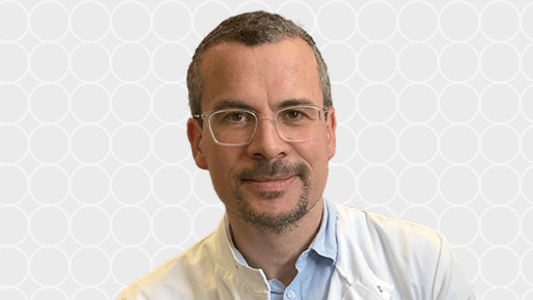
Prof. Gerlinger is a Consultant Medical Oncologist, Director of GI Cancer Research


Areas of expertise
- Colorectal cancer
- Stomach and oesophagus cancer
- Novel immunotherapies
- Genomic and minimal residual disease testing for treatment optimisation
- Clinical trials

Make an appointment
Address
-
LOC - Leaders in Oncology Care
95 Harley Street, London, W1G 6AF


-
The Harley Street Clinic
35 Weymouth Street, London, W1G 8BJ
-
LOC at Chelsea
102 Sydney Street, Chelsea, London, SW3 6NJ
About Prof. Marco Gerlinger
GMC number: 6117372
Year qualified: 2003
Place of primary qualification: Ludwig Maximilian University of Munich
Initial consultation fee: £400
Follow up consultation fee: £250
Prof. Marco Gerlinger is a distinguished medical specialist in the treatment of bowel, stomach, and oesophageal cancers. He practices at HCA LOC (Leaders in Oncological Care) and The Harley Street Clinic. Additionally, he serves as a Consultant Medical Oncologist, Chair of Gastrointestinal Cancer Medicine, and the Director of GI Cancer Research at St Bartholomew’s Hospital and Queen Mary University of London. Prof. Gerlinger’s academic journey began with studying Medicine at the University of Munich, Harvard Medical School, and Imperial College.
He earned his research MD from the Institute of Immunology in Munich. His training in General Medicine and Medical Oncology took place in Zurich and London, followed by post-doctoral research training in Zurich and at the CRUK London Research Institute, now known as The Francis Crick Institute. In 2013, Prof. Gerlinger joined the Royal Marsden Hospital as a consultant in GI cancer and the Institute of Cancer Research as a research team leader. He was appointed to his current roles at St Bartholomew’s Hospital and Queen Mary University London in 2022.
Prof. Gerlinger leads a team that conducts clinical trials and develops precision medicine biomarkers and new immunotherapies for both early-stage and advanced or metastatic bowel, stomach, and oesophageal cancers. Prof. Gerlinger is an active faculty member of the American Society of Clinical Oncology and the European Society of Medical Oncology Annual Meetings 2022. He also contributes to the scientific committees of the American Association of Cancer Research. Prof. Gerlinger’s expertise and dedication to advancing cancer treatment make him a leading figure in the field of gastrointestinal oncology.
Areas of expertise
- Adenocarcinoma
- Anal cancer
- Biological therapy
- Bowel cancer
- Cancer
- Cancer genomics
- Chemotherapy
- Clinical trials
- Colon cancer
- Colorectal cancer
- Gastrointestinal cancers
- Genetic testing
- Genetics of cancer
- Genomic and minimal residual disease testing for treatment optimisation
- Hemotherapy
- Immunotherapy
- Liver metastases
- Lynch syndrome
- Medical oncology
- Metastasis
- Neoadjuvant
- Novel immunotherapies
- Oesophageal cancer
- Oligometastic disease
- Personalised medicine
- Rectal cancer
- Small bowel cancer
- Squamous cell carcinoma (SCC)
- Stomach (gastric) cancer
- Stomach and oesophagus cancer
- Stomach cancer
- Targeted therapy
Frequently asked questions
Why did you decide to become a Consultant Medical Oncologist, Director of GI Cancer Research ?
Oncology is a fascinating area where insights into genetics and molecular changes in cancer are directly driving the development of better therapies. It's a very academic and research-heavy specialty, which is something I enjoy. There are massive advances happening, and we’re still learning how to improve cancer care. Through my interest in biology and translational research, I can contribute to developing new therapeutic options and, ultimately, to improving patients’ lives.
What are the common symptoms that your patients tend to present with?
It depends on the type of cancer. For upper GI cancers, patients often present with difficulty swallowing, vomiting, and weight loss. For lower GI cancers, I commonly see changes in bowel habits, abdominal pain, weight loss, and blood in the stool.
What are the treatments that you're able to offer your patients?
I coordinate access to a range of advanced diagnostics, from basic scans to specialised MRI and PET scans, as well as endoscopies performed by expert colleagues. We also use molecular and genetic tests that go beyond what’s routinely available, helping us personalise treatment. In terms of therapy, I offer conventional chemotherapy, often combined with targeted therapies and immunotherapy. I also explore cutting-edge treatments in development, including antibody-drug conjugates, T-cell engagers, and cancer vaccines currently in clinical trials.
What are your areas of sub-specialist interest?
My sub-specialist interests are stomach, oesophageal, and bowel cancers. These areas are evolving quickly, with multiple new treatments becoming available every year. It’s increasingly complex, so I believe focusing on a smaller subset of gastrointestinal cancers allows me to provide the most informed and effective care.
Professional memberships


Articles by Prof. Marco Gerlinger

Genomic and Transcriptomic Determinants of Therapy Resistance and Immune Landscape Evolution during Anti-EGFR Treatment in Colorectal Cancer.
Cancer Evolution and the Limits of Predictability in Precision Cancer Medicine.
Treatment and Survival Outcome of BRAF-Mutated Metastatic Colorectal Cancer: A Retrospective Matched Case-Control Study.

Phenotypic heterogeneity and plasticity in colorectal cancer metastasis
UK cancer vaccine advance – Recognising and realising opportunities
STELLAR-303: randomized phase III study of zanzalintinib + atezolizumab in previously treated metastatic colorectal cancer
Cancer evolution: from Darwin to the Extended Evolutionary Synthesis
Extreme intratumour heterogeneity and driver evolution in mismatch repair deficient gastro-oesophageal cancer.
Pathobionts in the tumour microbiota predict survival following resection for colorectal cancer.
Genetic and immune landscape evolution in MMR-deficient colorectal cancer.
Advances in immunotherapy for MMR proficient colorectal cancer.
Clinical Activity of Mitogen-Activated Protein Kinase-Targeted Therapies in Patients With Non-V600 BRAF-Mutant Tumors
Critical research gaps and recommendations to inform research prioritisation for more effective prevention and improved outcomes in colorectal cancer.
Circulating tumour DNA, a promising biomarker for the management of colorectal cancer



